SendGrid vs Mailgun
Questo confronto riguarda la proprietà operativa: se il team vuole un'API di invio ampia o un sistema transazionale più stretto e supponente. SendGrid offre ampiezza — API, template, un po' di marketing. Mailgun offre profondità transazionale — validazione, routing, log pensati per chi vive di deliverability.
La risposta breve: scegli SendGrid quando servono API ampie ed ecosistema di template attorno a più tipi di messaggi. Scegli Mailgun quando l'engineering possiede invio, validazione e operazioni di deliverability.
Sintesi: chi vince per profilo
Prodotto con marketing annesso → SendGrid. Template ed email di servizio nello stesso posto. Infrastruttura pura → Mailgun. Validazione indirizzi, routing inbound e log forensi. Team italiano che vuole dati in Europa → Mailgun, che offre una regione UE (listino).
Tabella comparativa
| SendGrid | Mailgun | |
|---|---|---|
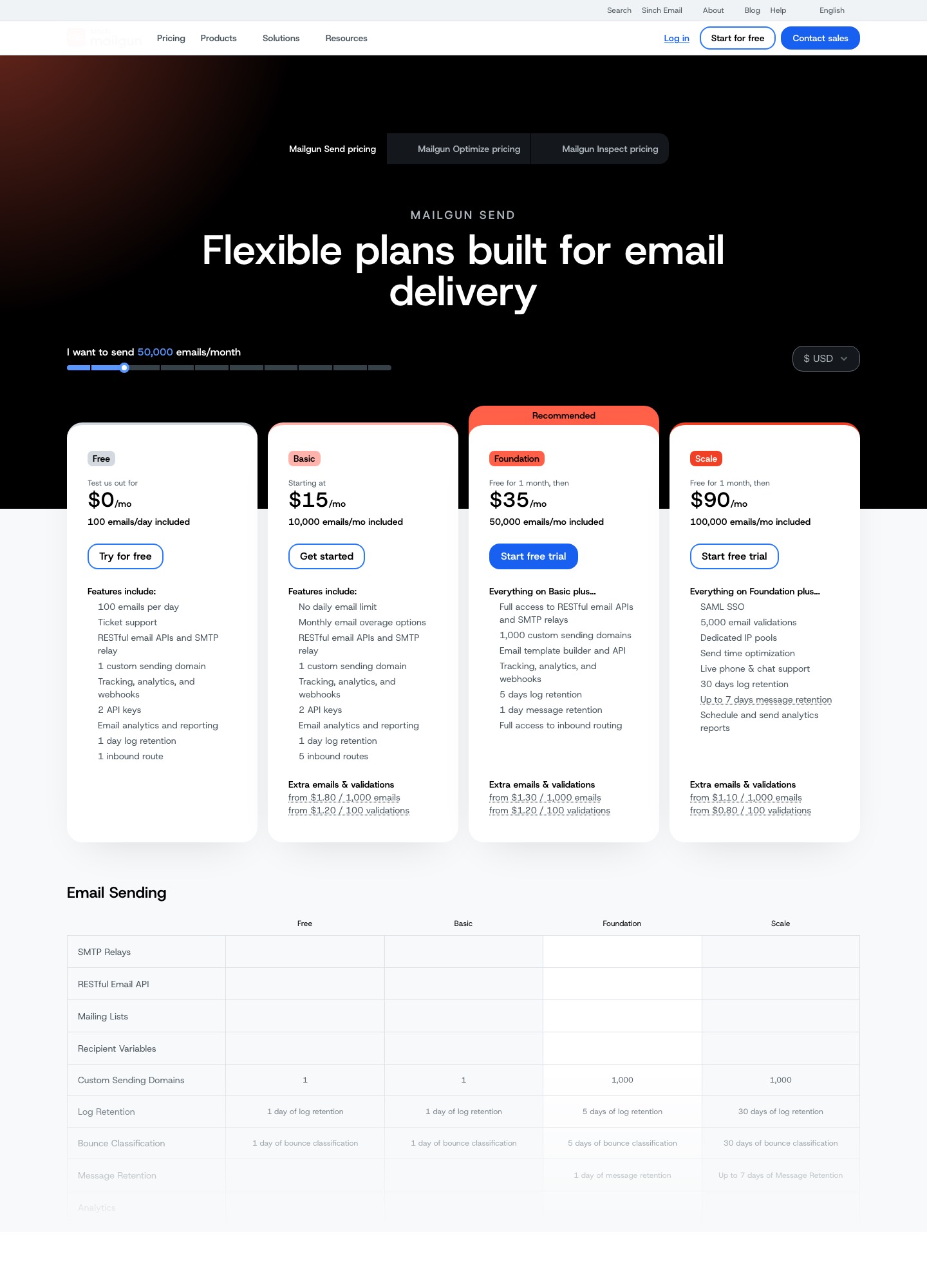
| Prezzo di partenza | Essentials da 19,95 $/mese (50.000-100.000 email); prova di 60 giorni (listino) | Free 100 email/giorno; Basic 15 $/mese per 10.000 email; Foundation 35 $/mese per 50.000 (listino) |
| Punto di forza | Ampiezza API + template | Validazione + deliverability tech |
| Email marketing | Base inclusa | No (solo invio) |
| Validazione indirizzi | Via addon | Nativa e profonda |
| Ideale per | Team prodotto misti | Engineering puro |
Dove SendGrid stacca
Quando il team deve mandare tutto — transazionali, notifiche, qualche campagna — con un'unica integrazione, SendGrid copre lo spettro. Le API sono mature, gli SDK ovunque, i template permettono al marketing di operare senza ticket agli sviluppatori. Per volumi misti a budget contenuto resta difficile da battere sul prezzo.
Il rischio è l'entropia: uno stack flessibile diventa una collezione di convenzioni non documentate — categorie usate a caso, soppressioni incoerenti, template duplicati. Richiede governo interno esplicito.
Dove Mailgun tiene botta
Profondità tecnica vera: validazione indirizzi prima dell'invio (meno bounce, reputazione protetta), routing inbound sofisticato, log dettagliati per diagnosi forensi. Per team engineering che trattano l'email come infrastruttura critica, questi strumenti valgono più di qualunque editor visuale.
Il limite è il perimetro: niente marketing, niente journey, niente interfaccia per non tecnici. Il team si aspetta automazioni marketing che restano fuori dal prodotto — vanno affiancate altrove.
Cosa cambia nel modello operativo?
Con SendGrid il team definisce gran parte del modello operativo (categorie, stream, soppressioni); con Mailgun gran parte è già supponente e va solo configurata. La scelta dipende da quanta ownership tecnica vuoi: massima flessibilità con SendGrid, convenzioni solide con Mailgun.
Prova equa in due settimane
Stessi volumi e stesse classi di messaggi per due settimane, poi confronta fallimenti di consegna, gestione soppressioni, sforzo engineering ed esiti di prodotto. Il solo send rate non prova nulla.
Liste sporche?
Mailgun vince di default: la validazione nativa ripulisce prima dell'invio e protegge la reputazione senza tool esterni.
Residenza dei dati
Per un'azienda italiana la regione di hosting fa parte della scelta: Mailgun dichiara regioni US e UE, mentre per SendGrid chiedi conferma scritta prima di firmare.
Quale ha deliverability migliore?
A parità di pratiche (autenticazione, liste pulite, volumi graduali) si equivalgono. La differenza la fanno gli strumenti: Mailgun aiuta di più a non sbagliare, SendGrid lascia più libertà — e più modi di sbagliare.
Posso usare Mailgun anche per newsletter?
Tecnicamente sì, praticamente no: niente editor, niente journey, niente gestione campagne. Affianca Brevo o MailerLite per il marketing.
SendGrid gratis basta per partire?
Per provare sì (100 email/giorno nella prova di 60 giorni dell'Email API), ma non è un piano gratuito permanente. Appena cresci, confronta i prezzi a volume con Brevo e Postmark prima di costruire tutto dentro.
E per un SaaS non tecnico?
Né l'uno né l'altro: servono journey e dati sul comportamento degli utenti, non solo un'API di invio. Guarda Customer.io se hai un team con dati di prodotto, oppure Brevo per un budget ridotto.
Verdetto
Scegli SendGrid per ampiezza e template, Mailgun per profondità tecnica e validazione. Per un test equo usa stessi volumi e classi di messaggi per due settimane. Vedi anche Postmark vs SendGrid e la classifica completa.
Cosa pesa davvero sul conto tra SendGrid e Mailgun

| Volume o voce | Cosa indicano i listini | Da chiarire |
|---|---|---|
| Circa 10.000 email al mese | La pagina prezzi di Mailgun propone Basic a 15 $, con 10.000 email, 1 giorno di log e extra da 1,80 $ ogni 1.000. Il selettore SendGrid non scende sotto 50.000 email. | Sotto questo volume Mailgun ha un piano pensato per te; per SendGrid conta soprattutto la prova di 60 giorni a 100 email al giorno. |
| Circa 50.000 email al mese | Mailgun Foundation costa 35 $ dopo il primo mese gratuito, con 5 giorni di log. SendGrid Essentials parte da 19,95 $ per la fascia 50.000-100.000. | Il prezzo di partenza di SendGrid è più basso, ma la pagina precisa che tasse ed eventuali eccedenze possono aggiungersi: chiedi un totale mensile con il tuo volume. |
| Circa 100.000 email al mese | Mailgun Scale costa 90 $ dopo il primo mese gratuito, con 30 giorni di log e 5.000 validazioni incluse. SendGrid Pro parte da 89,95 $ e comprende gli IP dedicati. | A questo volume i canoni sono quasi uguali: decide ciò che è incluso, cioè validazioni e log da una parte, IP dedicati dall'altra. |
| Conservazione dei log | Per Mailgun cambia con il piano: 1 giorno su Free e Basic, 5 su Foundation, 30 su Scale. | Se di solito indaghi sulle consegne contestate dopo una settimana, Foundation non basta e Scale diventa necessario. |
| Validazione degli indirizzi | Mailgun include 5.000 validazioni nel piano Scale, mentre sugli altri piani si paga a consumo come da listino. | Calcola il costo della validazione su una lista importata da zero: può superare la differenza di canone tra due piani. |
Profilo tecnico del team e scelta del fornitore
| Il tuo contesto | Orientati verso | Perché |
|---|---|---|
| Raccogli indirizzi da form pubblici o importi liste vecchie | Mailgun | La validazione prima dell'invio è tra le sue funzioni dichiarate, e ogni rimbalzo evitato protegge la reputazione del dominio. |
| Devi poter rileggere gli esiti di consegna a distanza di settimane | Mailgun Scale | È l'unico livello con 30 giorni di log; sugli altri la finestra è di 1 o 5 giorni. |
| Vuoi mandare anche newsletter dallo stesso fornitore | SendGrid | Marketing Campaigns ha un piano gratuito fino a 2.000 contatti e 6.000 email al mese, mentre Mailgun non è pensato per le campagne. |
| Il tuo ufficio acquisti chiede l'accesso aziendale con SAML | Mailgun, da verificare sul piano | SAML SSO compare tra le funzioni elencate nel listino; controlla in quale livello è disponibile prima di firmare. |
| Budget stretto e volume vicino alle 50.000 email | SendGrid Essentials | Parte da 19,95 $ contro i 35 $ di Foundation, con la riserva su tasse ed eccedenze indicata nella pagina prezzi. |
| I dati degli utenti devono restare in Europa | Mailgun | Offre regioni di hosting negli Stati Uniti e nell'Unione Europea; per SendGrid chiedi conferma scritta. |
Se vuoi guardare un'altra coppia, leggi Postmark contro SendGrid oppure la guida agli strumenti per l'invio via API.
Verifiche tecniche prima di mettere in produzione
- Usa un sottodominio per l'invio. Configura SPF e DKIM su un sottodominio dedicato ai messaggi del servizio, in modo che un problema di reputazione non tocchi il dominio principale del sito.
- Mappa i webhook sugli eventi che usi. Consegnato, rimbalzato, reclamo e disiscrizione hanno nomi e struttura diversi tra i due fornitori: prova con payload reali prima di cambiare il codice che aggiorna l'anagrafica.
- Rendi gli invii ripetibili. Assegna a ogni messaggio un identificatore tuo, così un nuovo tentativo dopo un timeout non spedisce due volte la stessa ricevuta.
- Fissa una soglia di rimbalzi interna. Se in un'ora il tasso supera il valore deciso, il processo di invio deve fermarsi da solo, prima che lo faccia il fornitore sospendendoti.
- Decidi dove vanno i dati. Scegli la regione di hosting prima di creare il dominio e annota nel registro dei trattamenti quale regione e quale fornitore hai selezionato.
Cinque termini tecnici del confronto
| Termine | Cosa significa |
|---|---|
| Routing inbound | La capacità di ricevere email in arrivo su un indirizzo del tuo dominio e di inoltrarle, con regole, a un endpoint della tua applicazione. È tra le funzioni che Mailgun elenca. |
| Validazione degli indirizzi | Un controllo, prima dell'invio, che segnala indirizzi inesistenti o a rischio. Riduce i rimbalzi, che pesano sulla reputazione del dominio. |
| Conservazione dei log | Il numero di giorni in cui puoi consultare lo storico delle consegne. Su Mailgun va da 1 giorno nei piani base a 30 nel piano Scale. |
| Regione di hosting | Il continente in cui il fornitore elabora e conserva i tuoi dati di invio. Mailgun offre regioni statunitense ed europea. |
| API e relay SMTP | Due modi per consegnare i messaggi al fornitore: una chiamata HTTP dal codice, oppure un server SMTP a cui puntare l'applicazione o il plugin che già invia email. |
Punti contrattuali per un team tecnico
| Punto | Cosa si verifica | Perché |
|---|---|---|
| Regione dei dati | Dove risiedono contenuto dei messaggi, indirizzi e log, e se la scelta della regione UE è disponibile sul piano che compri. | Per Mailgun la regione europea è dichiarata sul listino; per SendGrid va chiesta e messa per iscritto nel contratto con Twilio. |
| Finestra dei log per piano | Quanti giorni di storico include il livello scelto e se un periodo più lungo è acquistabile a parte. | Il passaggio da 5 a 30 giorni su Mailgun coincide con il salto da Foundation a Scale, cioè da 35 $ a 90 $ al mese. |
| Validazioni oltre la quota | Il prezzo di ogni validazione extra e se un'importazione grande può essere preventivata in anticipo. | Una lista da ripulire in una volta sola è un costo di una tantum che non compare nel canone mensile. |
| Accesso del team e SSO | Quanti utenti, quali ruoli e se l'accesso con SAML è incluso o richiede un livello superiore. | Un'azienda con più sviluppatori non può condividere la stessa chiave per tutti, né un account personale che esce con chi lascia il team. |
Domande frequenti
Con 50.000 email al mese, quale dei due costa meno?
Il listino di Mailgun prevede Foundation a 35 $/mese per 50.000 email (con un mese gratuito) e Scale a 90 $/mese per 100.000. Il listino SendGrid Email API indica Essentials da 19,95 $/mese per la fascia 50.000-100.000 email, quindi sul prezzo di partenza SendGrid è inferiore. Confronta però cosa è incluso: Foundation tiene i log per 5 giorni, Scale per 30, e questo pesa se devi investigare consegne contestate.
Posso scegliere dove vengono ospitati i dati di invio?
Mailgun elenca regioni di hosting negli Stati Uniti e nell'Unione Europea, e per un'azienda italiana la regione UE semplifica la risposta alla domanda sul luogo dei dati. Per SendGrid verifica nella documentazione e nel contratto di Twilio quali opzioni di residenza dei dati sono disponibili sul tuo piano, perché la pagina prezzi non le descrive. In ogni caso serve un accordo di trattamento dei dati firmato e un'informativa che indichi il fornitore.
Come si migra da SendGrid a Mailgun?
Aggiungi il dominio a Mailgun, pubblica i record SPF e DKIM e attendi la verifica, poi sostituisci chiamate API o credenziali SMTP un servizio alla volta. I webhook degli eventi hanno un formato diverso, quindi aggiorna il codice che registra rimbalzi e reclami. Porta con te l'elenco delle soppressioni e aumenta i volumi in modo graduale, perché una nuova rotta di invio ha bisogno di costruire reputazione.
La validazione degli indirizzi di Mailgun vale il costo extra?
Serve quando raccogli indirizzi da form pubblici o importi liste vecchie, perché ogni rimbalzo pesa sulla reputazione del dominio. Il piano Scale di Mailgun include 5.000 validazioni, mentre sugli altri piani le validazioni sono a consumo secondo il listino. Se le tue email partono solo verso utenti che hanno confermato l'iscrizione, la verifica è meno urgente e un doppio opt-in può bastare.
Per un'agenzia web italiana che gestisce siti di clienti, quale scegliere?
Un'agenzia con molti siti WooCommerce o WordPress deve prima controllare quale fornitore è supportato dal plugin di invio che usa su ogni sito, e poi confrontare i prezzi per volume: con molti clienti piccoli conta il limite giornaliero gratuito di Mailgun (100 email) o la prova di SendGrid. Se invece un team di sviluppo vuole controllare routing, log e validazione, Mailgun offre quegli strumenti in modo più esplicito. Per ogni cliente separa dominio mittente e chiavi API, così un problema su un sito non danneggia gli altri.